

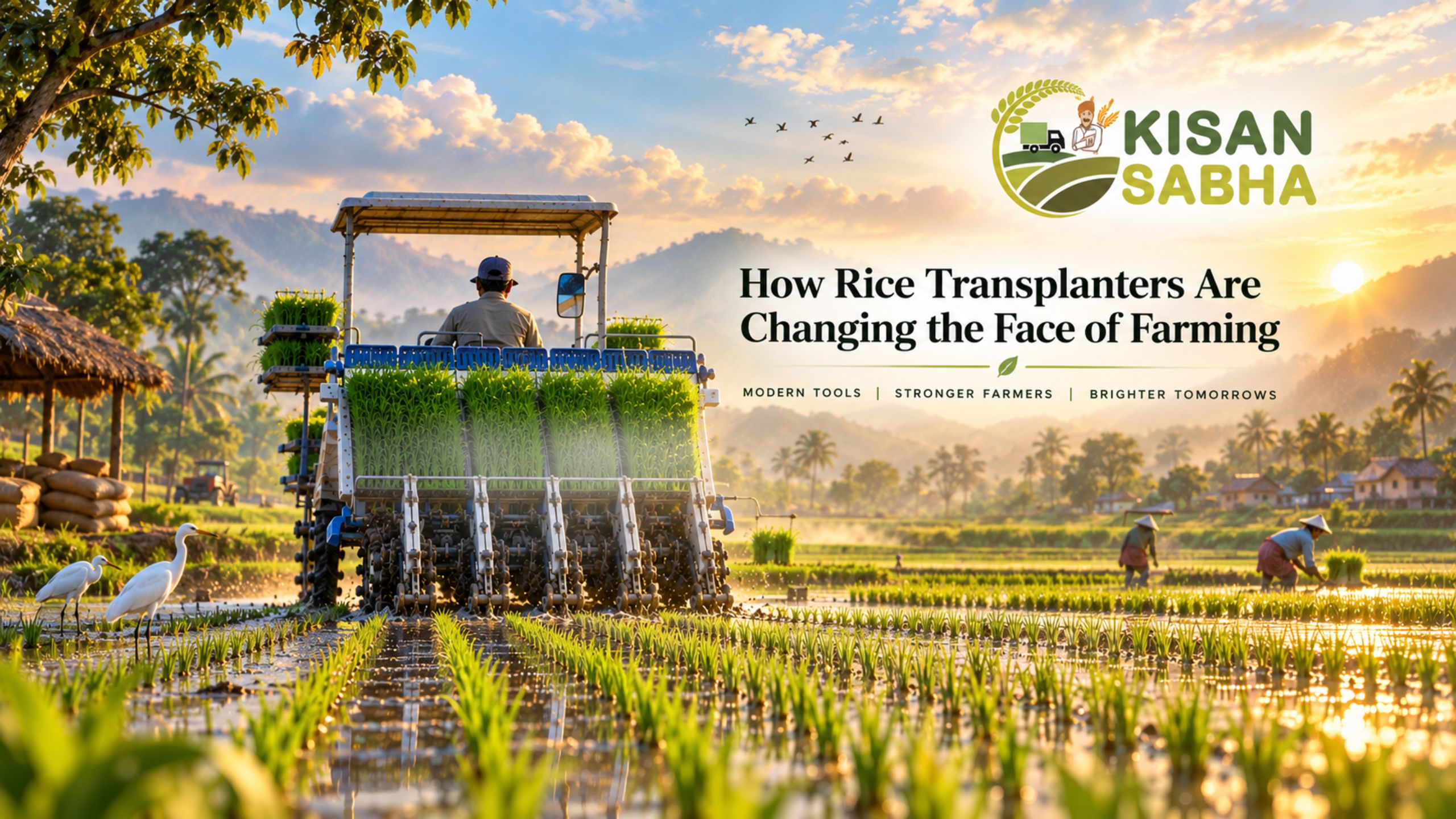
For generations, rice has been a staple crop across much of Asia, feeding millions of families. Yet growing it the traditional way has never been easy. Farmers once sowed seeds directly into the soil or, in the transplanting method, raised seedlings in a nursery bed before painstakingly replanting each one by hand into flooded paddies. It was slow, backbreaking work that demanded hours of stooped labor in muddy fields.
Where It All Began
Everything changed in the 1960s, when engineers in Japan developed the first mechanical rice transplanter. The invention took over the most grueling part of the process, planting seedlings in tight, even rows with a speed and precision no human hand could match. It marked a turning point for rice cultivation across the region.
The Mechanics Behind the Machine
Today’s rice transplanters are far more advanced than those early models. They typically combine:
- Reliable engines built for wet, uneven terrain
- Precision blades for clean seedling separation
- Suction-based pickup systems
- Automated planting arms that space seedlings evenly
Manufacturers now build these machines in a range of sizes, so everyone from small family plots to sprawling commercial farms can find a suitable fit.
Why Farmers Are Making the Switch
Speed and Output
A mechanical transplanter can plant up to ten times faster than doing it by hand. That translates into farmers being able to work larger plots in less time, cut down on physical strain, and ultimately harvest bigger, more consistent yields, which often means better income.
Smarter Water Use
Many modern units include water-management features that help maintain ideal moisture levels in the paddy, cutting down on waste and supporting more sustainable irrigation practices.
Healthier Crops
Because the machine spaces seedlings uniformly, plants compete less for nutrients and light. The result tends to be sturdier root systems and more even growth across the field.
Data-Driven Farming
Newer models can also feed farmers useful information, like field conditions, growth tracking, and input recommendations, helping them make better decisions season to season.
The Hurdles Still in the Way
Cost
A quality transplanter isn’t cheap, which puts it out of reach for many smallholders. Government subsidies, affordable financing, and shared or cooperative ownership models are helping bridge that gap.
Learning the Equipment
Operating these machines well takes training. Workshops, video guides, and mentorship from farmers who’ve already made the switch all help shorten the learning curve.
Keeping Machines Running
Spare parts aren’t always easy to find, especially in rural areas. Manufacturers can help by building stronger supply chains, stocking common parts locally, and offering accessible repair support and maintenance resources.
Resistance to Change
Not every farmer is eager to abandon familiar methods. Visible results, word-of-mouth success stories, and hands-on field demonstrations tend to be the most effective ways to build trust in the technology.
What’s Next for Rice Transplanters
Engineers continue refining these machines, working toward compact, lower-cost designs that hold up longer and adapt to a wider range of soil and climate conditions. Governments, manufacturers, and farming communities are increasingly collaborating to make this technology more affordable, more durable, and more widely available.
More Than Just Machinery
Rice transplanters represent a broader shift in how rice farming works, moving away from purely manual labor toward smarter, more efficient techniques. Beyond boosting yields, this shift is helping conserve water, reduce unnecessary chemical use, and protect long-term soil health, all while easing the physical toll on farmers and opening doors to better livelihoods.
Advice for Farmers Considering the Shift
- Stay curious. Being open to new tools and methods pays off over time.
- Keep learning. Trainings, tutorials, and conversations with experienced growers are invaluable.
- Weigh the numbers. Compare the long-term savings and productivity gains against the upfront cost.
- Start small. Shared equipment or cooperative ownership can ease the transition.
- Lean on your community. Trading experiences and advice with fellow farmers makes the learning curve much shorter.
Frequently Asked Questions
A rice transplanter is a machine used to plant rice seedlings into flooded paddy fields, replacing the traditional method of transplanting seedlings by hand. It places seedlings in neat, evenly spaced rows using mechanical arms or suction-based systems.
Rice transplanters can plant seedlings up to ten times faster than manual transplanting, allowing farmers to cover much larger areas in a fraction of the time.
Yes. Manufacturers now produce transplanters in various sizes, including compact models designed specifically for small family-owned farms, not just large commercial operations.
Prices vary widely depending on size, brand, and features. While high-capacity models can be a significant investment, many farmers offset the cost through government subsidies, low-interest agricultural loans, or shared/cooperative ownership programs.
The Bottom Line
Rice transplanters are reshaping how rice gets grown, making the work faster, less physically demanding, and more resource-efficient. Real challenges remain, particularly around cost and access, but the direction is clear. Farmers who embrace this shift, staying informed, adaptable, and connected to their communities, are well positioned to thrive as agriculture continues to modernize.