
Growing good crops is important. However, growing crops is only the first step.
Farmers also need buyers. They need transport. They need storage. In addition, they need reliable market connections.
This is where an Agriculture Supply Chain becomes important.
An Agriculture Supply Chain connects every stage of the farming journey. It starts at the farm and ends when the product reaches the buyer or consumer.
A strong supply chain helps products move smoothly. It also helps farmers connect with buyers and transporters. As a result, agricultural trade becomes more efficient.
Today, digital technology is making these connections easier. According to the Food and Agriculture Organization (FAO), better value chains help improve market access, information sharing, and business opportunities across the agriculture sector.
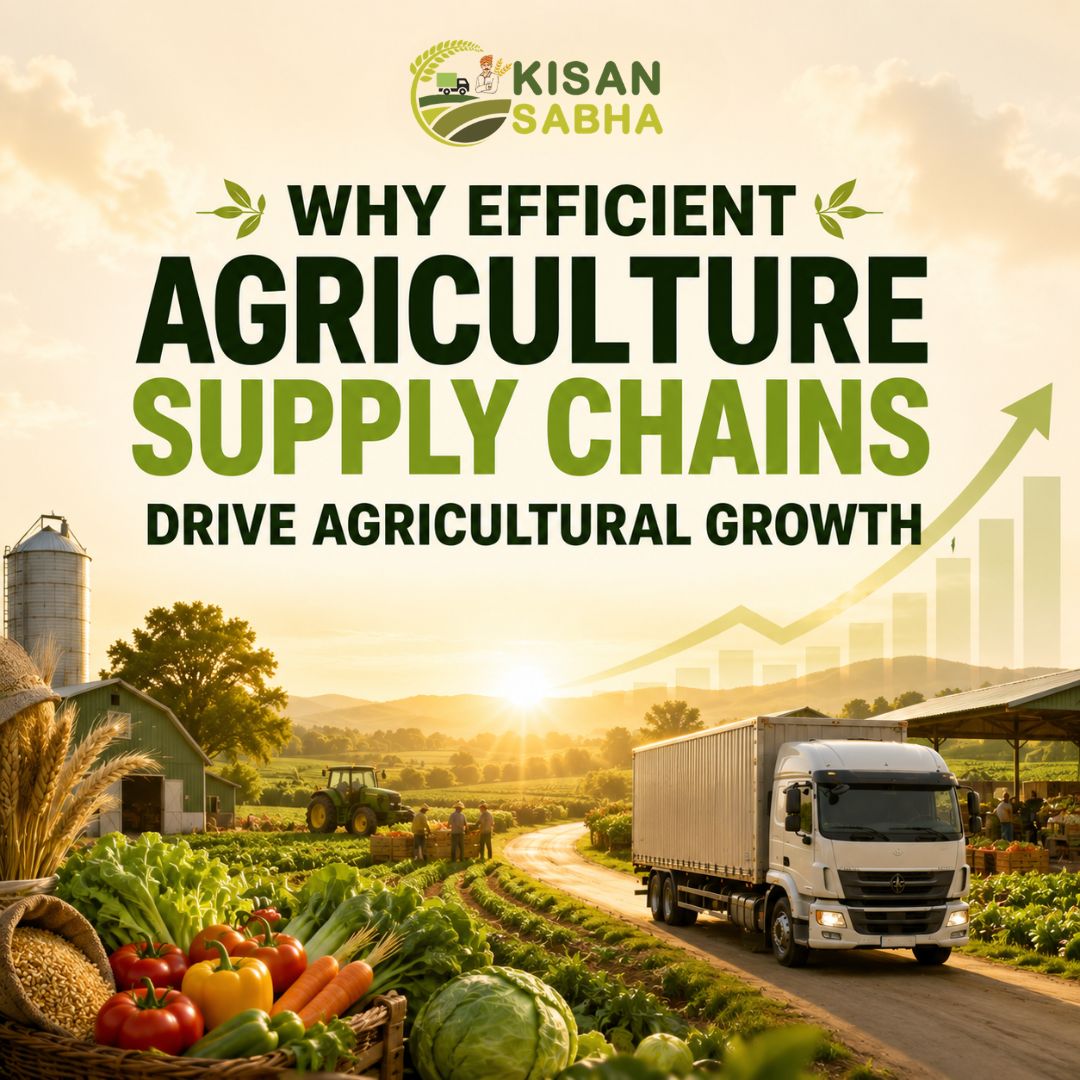
Therefore, building an efficient Agriculture Supply Chain is important for long-term agricultural growth.
What is an Agriculture Supply Chain?
An Agriculture Supply Chain is the complete journey of a farm product.
It starts when farmers grow crops.
It ends when buyers receive those crops.
Many people work together during this journey.
These include:
- Farmers
- Buyers
- Dealers
- Transporters
- Warehouses
- Processors
- Retail businesses
Each participant has a different role.
However, every step depends on the previous one.
If one part slows down, the entire Agriculture Supply Chain is affected.
Therefore, good coordination is essential.
FAO explains that agrifood value chains include all activities needed to move food products from production to consumers.
Also Read:- What is an Agriculture Supply Chain and Why Does It Matter?
Why an Efficient Agriculture Supply Chain Matters
Every farmer wants to sell crops without unnecessary delays.
However, this is not always easy.
Farmers need market access.
Buyers need trusted suppliers.
Transporters need business opportunities.
Therefore, everyone depends on a strong Agriculture Supply Chain.
A better supply chain improves communication.
It also supports faster coordination.
As a result, products move more smoothly between farms and markets.
In addition, stronger business connections help agriculture businesses grow.
According to FAO, stronger value chains help improve market participation and support agribusiness development.
How Agriculture Supply Chains Help Farmers
Farmers work hard throughout the season.
However, harvesting crops is only one part of farming.
The next step is reaching buyers.
A strong Agriculture Supply Chain helps farmers connect with markets.
It also helps them build new business relationships.
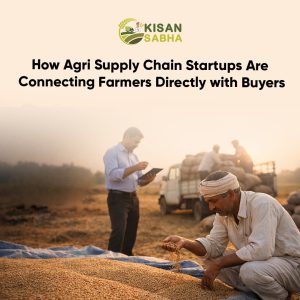
For example, farmers can discover more buyers.
They can also stay connected with transport partners.
As a result, they can explore more market opportunities.
In addition, better communication makes business activities easier.
Therefore, a well-connected Agriculture Supply Chain supports farmer growth.
How Agriculture Supply Chains Support Buyers
Buyers also benefit from an efficient Agriculture Supply Chain.
They need reliable suppliers.
They also need smooth communication.
A strong supply chain makes this easier.
For example, buyers can connect with more farmers.
Likewise, they can build long-term business relationships.
As a result, sourcing products becomes more organized.
Better coordination also supports agricultural trade.
Therefore, buyers become an important part of a connected agriculture ecosystem.
Why Agri Logistics is Important
Transportation is one of the most important parts of an agricultural supply chain.
Without transport, products cannot move from farms to markets.
Therefore, agri logistics supports every stage of agricultural trade.
Transporters connect farms with buyers.
They also connect markets with businesses.
As a result, products reach the right destination more efficiently.
Good transportation also improves communication between different participants.
Because of this, agri logistics strengthens the entire Agriculture Supply Chain.
How Digital Technology Strengthens the Agriculture Supply Chain
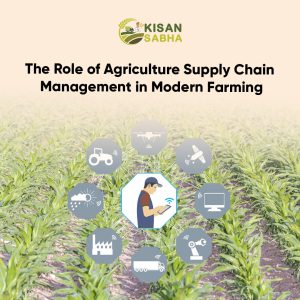
Technology is changing agriculture every day.
Today, many farmers use smartphones to stay connected. Buyers and transporters also use digital platforms to communicate.
As a result, sharing information has become easier.
Digital platforms help people:
- Find new business contacts
- Stay connected with buyers
- Explore transport options
- Build long-term business relationships
- Share market information
For example, a farmer can connect with a buyer through one platform. Likewise, a transporter can find new business opportunities more easily.
According to the Food and Agriculture Organization (FAO), digital technologies improve information sharing and strengthen agrifood value chains. Better communication helps people work together more effectively.
Therefore, digital technology has become an important part of every modern Agriculture Supply Chain.
Common Challenges in the Agriculture Supply Chain
Although agriculture has changed a lot, many challenges still remain.
Some farmers have limited market access.
Others find it difficult to connect with buyers.
Similarly, transporters may struggle to find new business opportunities.
Some common challenges include:
- Poor communication
- Limited business networks
- Transportation delays
- Difficulty finding reliable partners
- Limited market information
These challenges affect every part of the Agriculture Supply Chain.
However, digital platforms are helping solve many of these problems.
They improve communication.
They also help people connect faster.
As a result, agriculture businesses can work together more efficiently.
Read More:- How Agri Startups Support Efficient Crop Transportation
Why Business Connections Matter
Agriculture depends on people working together.
Farmers need buyers.
Buyers need suppliers.
Transporters need business opportunities.
Therefore, strong business relationships are essential.
An efficient Agriculture Supply Chain creates these connections.
It also improves communication between different stakeholders.
As a result, people can respond more quickly to changing market needs.
In addition, better networks help agriculture businesses discover new opportunities.
This is why strong business connections support long-term agricultural growth.
How KisanSabha Supports the Agriculture Supply Chain
A strong Agriculture Supply Chain begins with better connections.
This is where KisanSabha adds value.
KisanSabha is a digital platform that connects farmers, buyers, dealers, transporters, and agriculture businesses.
Instead of searching across different channels, users can connect on one platform.
KisanSabha helps users:
- Connect with verified agriculture businesses
- Build professional relationships
- Explore market opportunities
- Reach buyers
- Stay connected with transport partners
As a result, communication becomes easier.
Business networking also becomes more organized.
Therefore, KisanSabha supports a stronger and more connected Agriculture Supply Chain.
The Future of Agriculture Supply Chains
Agriculture is becoming more digital.
More farmers now use smartphones.
More businesses are using digital platforms.
Because of this, communication is becoming faster.
At the same time, agriculture networks are becoming stronger.
Digital technology will continue to improve the Agriculture Supply Chain.
It will help people share information more quickly.
It will also help farmers, buyers, and transporters build stronger business relationships.
As a result, agriculture will become more connected in the future.
Frequently Asked Questions
An Agriculture Supply Chain is the complete process of moving agricultural products from farms to buyers or consumers. It includes production, storage, transportation, processing, and distribution.
It improves communication, supports market access, strengthens business relationships, and helps products move smoothly between different stakeholders.
Digital technology helps people communicate, share information, build business networks, and explore market opportunities.
Agri logistics helps move agricultural products between farms, warehouses, markets, and buyers. It is an important part of the Agriculture Supply Chain.
KisanSabha connects farmers, buyers, dealers, and transporters on one platform. It helps users build business relationships, improve communication, and explore new market opportunities.