
Agriculture does not end when a crop is harvested. Before food reaches consumers, it passes through several stages, including storage, transportation, processing, distribution, and marketing. Together, these activities form the Agriculture Supply Chain.
A strong Agriculture Supply Chain helps agricultural products move efficiently from farms to markets. It also helps connect farmers, buyers, transporters, and other businesses involved in agricultural trade.
According to the Food and Agriculture Organization (FAO), agricultural value chains include all activities and stakeholders involved in bringing agricultural products from production to final consumers.
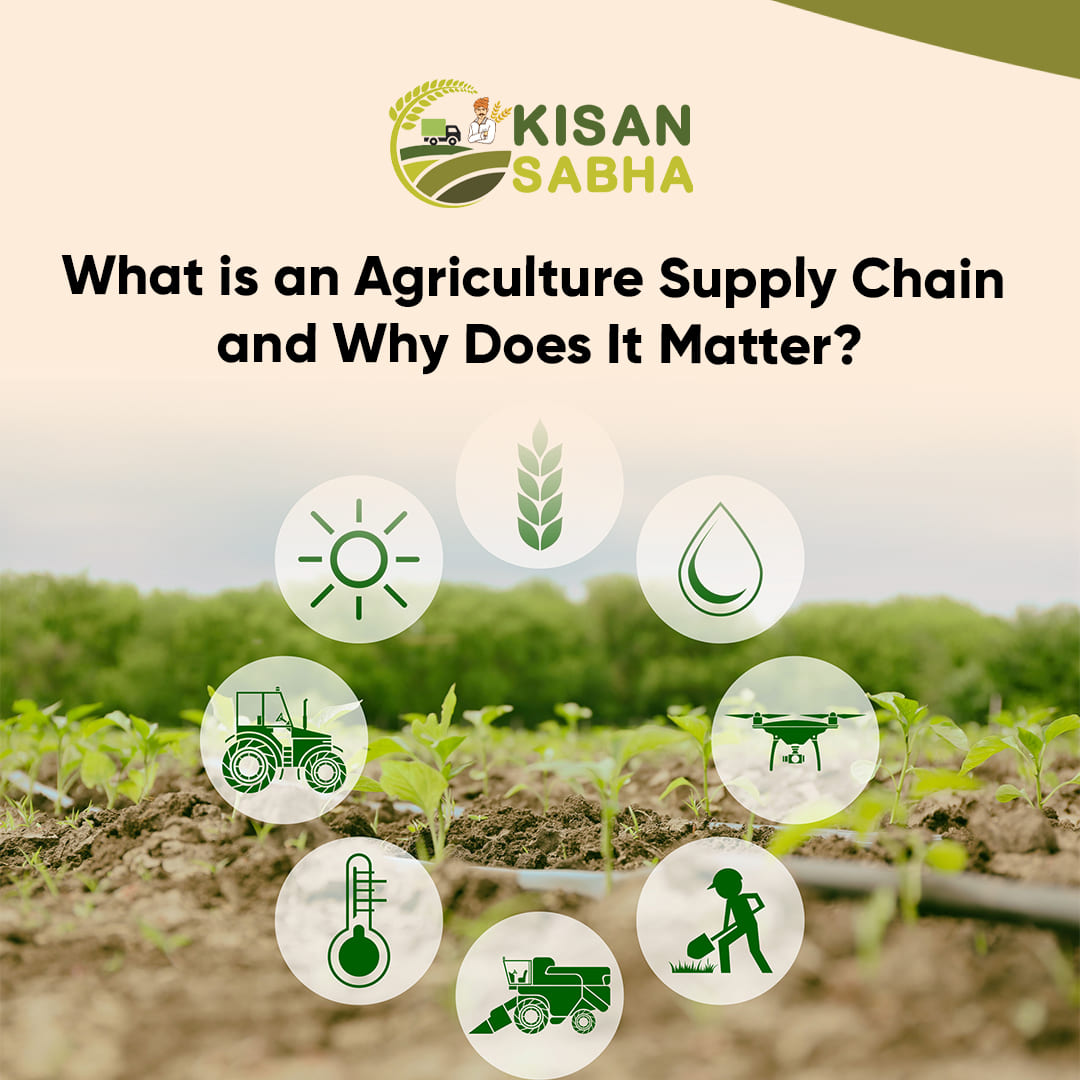
What is an Agriculture Supply Chain?
An Agriculture Supply Chain is the network of people, processes, and services involved in moving agricultural products from farms to end users.
It usually includes:
- Farmers
- Buyers
- Transporters
- Storage providers
- Processors
- Retailers
Each participant plays an important role.
For example, farmers grow crops, transporters move products, and buyers purchase agricultural goods. When these activities work together efficiently, products can move through the supply chain more smoothly.
According to OECD-FAO guidance, agricultural supply chains cover activities from production and handling to processing, transportation, and distribution.
Why Does the Agricultural Supply Chain Matter?
The agricultural supply chain is important because it connects production with markets.
Without an effective supply chain, agricultural products may face delays, handling challenges, or difficulties reaching buyers.
A strong supply chain helps:
- Improve market access
- Support agricultural trade
- Strengthen communication between stakeholders
- Improve coordination across the agriculture sector
In addition, better supply chain connections help different participants work together more effectively.
As agriculture becomes more market-oriented, efficient supply chains are becoming increasingly important.
Also Read:- The Role of Agriculture Supply Chain Management in Modern Farming
Key Stages of an Agriculture Supply Chain
Although supply chains can vary, most agricultural products move through several common stages.
1. Production
The process begins with farmers producing crops and agricultural products.
2. Collection and Storage
After harvest, products may be collected and stored before moving to the next stage.
3. Transportation
Products must be transported from one location to another. Transportation plays an important role in connecting farms with markets.
4. Processing and Distribution
Some products may be processed before they reach buyers or retailers.
5. Market Access
The final stage involves connecting products with buyers and consumers.
Each stage contributes to the overall movement of products through the Agriculture Supply Chain.
Common Challenges in Agriculture Supply Chains
Agriculture Supply Chains often involve many participants.
Because of this, communication and coordination can sometimes be difficult.
Common challenges may include:
- Limited communication
- Difficulty finding business connections
- Transportation coordination issues
- Information gaps between stakeholders
FAO highlights that strong and resilient supply chains depend on effective coordination and information sharing across different stages.
As a result, many agriculture businesses are looking for better ways to improve connectivity and communication.
How Digital Platforms Support Agriculture Supply Chains
Technology is helping improve how people connect and communicate.
Today, digital platforms make it easier for stakeholders to share information and discover opportunities.
These platforms can help users:
- Build business networks
- Connect with buyers and suppliers
- Improve communication
- Explore new opportunities
As a result, digital platforms are becoming an important part of modern agricultural trade.
How KisanSabha Supports Better Agriculture Connections
Strong Agriculture Supply Chains depend on strong connections.
However, finding the right people can take time.
This is where KisanSabha helps.
KisanSabha is a digital platform that brings together farmers, buyers, dealers, transporters, and other agriculture stakeholders.
By helping people connect on a single platform, KisanSabha supports better communication and stronger business networks.
Users can explore opportunities, build connections, and stay connected with people involved in agricultural trade.
As agriculture becomes more connected, platforms like KisanSabha can help support smoother communication across the Agriculture Supply Chain.
Final Thoughts
The Agriculture Supply Chain plays an important role in modern agriculture.
It connects farms with markets and supports the movement of agricultural products through different stages.
A strong Agriculture Supply Chain helps improve communication, coordination, and market access. At the same time, digital platforms are making it easier for stakeholders to stay connected and discover new opportunities.
As agriculture continues to evolve, stronger supply chain connections will remain important for farmers, buyers, transporters, and agribusinesses.
Frequently Asked Questions
An Agriculture Supply Chain is the network of people, processes, and services involved in moving agricultural products from farms to consumers.
It helps connect farms with markets and supports the movement of products through production, transportation, storage, and distribution.
Farmers, buyers, transporters, storage providers, processors, and retailers are commonly involved.
Digital platforms improve communication, information sharing, and business networking among stakeholders.
KisanSabha helps farmers, buyers, dealers, and transporters connect on one platform and build stronger business relationships.