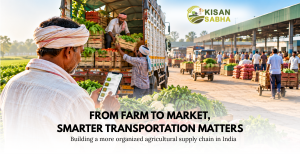
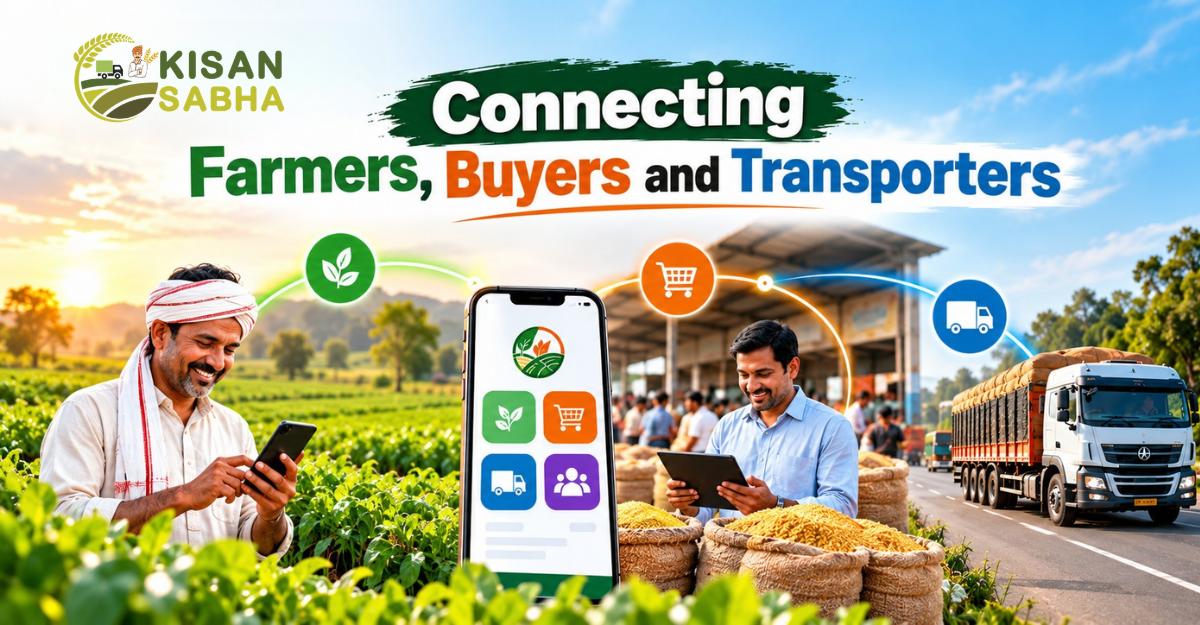
India’s agriculture sector depends on strong connections between farmers, buyers, mandi dealers and transporters. However, finding the right buyer, identifying suitable agricultural produce and arranging transportation can take time when information is scattered across different networks.
A digital agriculture platform in India helps bring these stakeholders together in one online environment. Farmers can explore potential buyers, agricultural businesses can discover suppliers, and transporters can find relevant load opportunities.
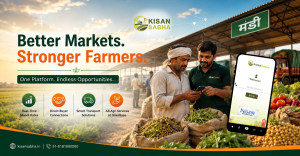
KisanSabha is an agricultural marketplace that connects farmers, mandi dealers, buyers, transporters and agricultural service providers. Its platform helps users discover relevant business connections, agricultural services and transportation options.
By making agricultural information and business connections easier to discover, digital platforms can help participants coordinate their activities more effectively. Actual outcomes depend on product availability, location, quality, pricing and the agreements made between users.
What Is a Digital Agriculture Platform?
A digital agriculture platform is a website or mobile application that connects farmers, agricultural businesses and service providers. Depending on its features, it can help users discover agricultural products, find buyers, explore market information, arrange transportation and connect with relevant service providers.
Traditional agricultural trading often depends on personal contacts, local markets and telephone communication. Digital platforms offer an additional way to discover business opportunities and communicate with potential partners.
For example, a farmer who has harvested wheat can share information about the available quantity, quality and collection location. A mandi dealer or other buyer can review the details and contact the farmer to discuss a possible purchase.
Once the commercial terms are agreed upon, the parties can arrange transportation to move the produce to the buyer’s location.
This connected approach can make agricultural marketing and logistics easier to coordinate.
Why Does the Agricultural Supply Chain Need Digital Connectivity?
The agricultural supply chain includes farmers, mandi dealers, wholesalers, retailers, warehouses, food processors, transporters and consumers. Each participant plays an important role in moving agricultural produce from farms to markets.
However, several challenges can make coordination difficult.
1. Limited access to potential buyers
Farmers may depend on a small network of local traders. Finding additional buyers can be difficult, particularly when farmers want to explore markets beyond their immediate area.
An online agricultural marketplace can help farmers discover more potential buyers and compare enquiries before deciding how to sell their produce.
2. Difficulty finding suitable transportation
Agricultural produce often needs to move quickly from farms to mandis, warehouses, processing facilities or retail destinations.
Finding a suitable vehicle requires information about the pickup location, destination, commodity, quantity, vehicle type and delivery schedule.
Digital agri-logistics platforms can help connect customers who need transportation with transporters who have suitable vehicles.
3. Limited access to market information
Prices can vary depending on the commodity, quality, demand, location and market conditions. Farmers and buyers need relevant information to evaluate available opportunities.
Access to reliable, updated market information can help users compare offers and make more informed decisions.
4. Fragmented communication
When farmers, buyers and transporters coordinate separately, important details may be missed or misunderstood.
Digital listings and written communication can help participants share requirements more clearly and maintain records of agreed terms.
How Digital Platforms Connect Farmers, Buyers and Transporters
Digital agricultural platforms can connect different participants through a series of practical steps.
Step 1: Farmers share available produce
Farmers can share details about the crops or agricultural commodities they want to sell.
A useful listing may include:
- Crop or commodity name
- Available quantity
- Quality or grade
- Pickup location
- Expected availability date
- Expected price or negotiation preference
- Photographs of the produce, where appropriate
Clear and accurate information helps potential buyers assess whether the available produce matches their requirements.
For example, a farmer in Haryana with harvested mustard can share the available quantity and expected selling date. Interested buyers can then contact the farmer to discuss the price, quality and delivery arrangements.
Step 2: Buyers discover agricultural produce
Buyers may include mandi dealers, wholesalers, food processors, retailers and other agricultural businesses.
They need to identify suppliers whose produce matches their requirements for quality, quantity, location and pricing.
An online agricultural marketplace can make it easier to discover relevant suppliers and initiate conversations.
Before confirming a purchase, buyers should verify the seller’s details, inspect the produce when necessary, and agree on quality specifications, payment terms and delivery responsibilities.
Step 3: Farmers and buyers agree on commercial terms
Once a suitable connection is established, both parties can discuss the details of the transaction.
These may include:
- Purchase price and applicable deductions
- Produce quality and grading
- Final quantity and weighment
- Loading and unloading responsibilities
- Payment method and payment timeline
- Pickup and delivery schedules
- Procedures for handling damaged or rejected goods
Confirming these details in writing can help reduce misunderstandings.
A digital connection creates an opportunity to communicate, but it does not automatically guarantee a successful sale or payment.
Step 4: Transportation requirements are identified
After the buyer and seller agree on the transaction, the produce must be transported to its destination.
The required vehicle depends on the commodity, weight, volume, distance and handling requirements.
For instance, bulk grains may require a different vehicle arrangement from fresh vegetables or temperature-sensitive agricultural products.
The customer should specify the pickup point, destination, approximate weight, vehicle type and expected loading date when requesting transportation.
Step 5: Transporters discover suitable loads
Transporters need reliable information about available loads, routes, vehicle requirements and loading schedules.
Digital load-posting platforms can help transporters discover relevant transportation requirements and connect with potential customers.
For example, a transporter operating near a mandi may find a load that matches the vehicle’s capacity and planned route. If the commercial terms are suitable, the transporter can discuss freight charges and delivery arrangements with the customer.
Better load discovery may help transporters identify return-load opportunities and improve vehicle utilisation. Actual results depend on vehicle availability, timing, route economics and customer requirements.
Step 6: Delivery is coordinated
The final stage involves loading, dispatch, transportation, unloading and delivery confirmation.
The farmer, buyer and transporter should confirm the loading schedule, shipment documents, freight charges, expected delivery date and proof-of-delivery requirements.
Clear communication throughout the process can help reduce avoidable delays and make agricultural logistics easier to manage.
Benefits of an Online Agricultural Marketplace for Farmers
Digital agriculture platforms can provide farmers with additional ways to discover buyers and agricultural services.
Access to more potential buyers
Farmers can explore connections beyond their immediate trading networks. This may provide additional opportunities to compare enquiries and assess market demand.
However, a wider network does not guarantee a higher selling price. Final returns depend on the offer, produce quality, transport expenses and other transaction costs.
Better access to market information
When reliable market information is available, farmers can compare relevant mandi prices and buyer offers.
They should also consider transportation, loading, handling and other expenses before deciding where to sell their crops.
Easier access to agricultural services
Farmers may need seeds, fertilisers, pesticides, storage and transportation services at different stages of production and marketing.
Digital platforms can help users discover relevant agricultural service providers and contact them to discuss their requirements.
More organised communication
Digital enquiries can help farmers maintain records of offers, quantities, delivery dates and payment terms.
This information can be useful when coordinating transactions with multiple buyers or service providers.
How Buyers and Mandi Dealers Benefit from Digital Agriculture Platforms
Buyers and mandi dealers need access to suitable agricultural produce at the right time and in the required quantity.
A digital agriculture marketplace can support these activities in several ways.
Supplier discovery: Buyers can explore farmers and suppliers whose products match their procurement requirements.
Broader business connections: Mandi dealers can discover potential suppliers outside their existing contacts.
Improved procurement planning: Details about quantity, quality and location can help buyers assess whether a potential purchase meets their requirements.
Simpler communication: Digital enquiries make it easier to discuss pricing, product specifications, delivery schedules and payment terms.
Before finalising a transaction, buyers should verify supplier information, inspect produce when appropriate and agree on the commercial terms.
How Digital Platforms Help Agricultural Transporters
Transportation plays a critical role in moving produce from farms to mandis, warehouses, processors and buyers.
A digital agri-logistics platform can help transporters discover transportation requirements and communicate with customers.
Find relevant load opportunities
Transporters can review load information, including pickup location, destination, commodity, quantity, and loading date.
Improve vehicle utilisation
Transporters can compare available loads with their vehicle capacity and planned routes. Suitable return loads may help reduce empty running when timing and commercial terms allow.
Connect with agricultural businesses
Digital platforms can help transporters discover potential customers such as farmers, mandi dealers, wholesalers and warehouse operators.
Coordinate shipments more clearly
Clear shipment requirements help transporters confirm vehicle suitability, freight charges, loading responsibilities and delivery schedules before dispatch.
These benefits depend on accurate listings, suitable vehicles, reliable counterparties and agreed commercial terms. A digital platform does not guarantee a load, a specific freight rate or timely delivery.
How KisanSabha Supports India’s Agricultural Supply Chain
KisanSabha is an agricultural platform designed to connect farmers, mandi dealers, buyers, transporters and agricultural service providers.
Its Online Agriculture Market page describes how the platform supports agricultural marketplace connections and helps users discover relevant participants across the agricultural ecosystem.
KisanSabha offers several areas of relevance to farmers and agricultural businesses.
Farmer and buyer connections
Farmers can explore opportunities to connect with mandi dealers and other potential buyers. Buyers can discover agricultural suppliers and discuss their procurement requirements.
Agricultural market information
Access to relevant mandi information can help users evaluate agricultural marketing opportunities alongside other factors such as produce quality, demand and transportation costs.
Transportation connections
KisanSabha’s Agri Logistics service page describes transportation-related services that connect farmers, buyers and transporters.
These connections can help users explore transportation requirements for moving agricultural commodities between farms, markets, warehouses and other destinations.
Agricultural service discovery
Agricultural businesses may also need fertiliser dealers, pesticide suppliers, warehouses, cold storage facilities and other service providers. Digital directories and connections can help users identify relevant services.
Registration for different participants
KisanSabha provides registration options for farmers, mandi dealers, transporters, agricultural service providers, consumers and Farmer Producer Organizations.
Users can explore the available options through the KisanSabha registration page.
By bringing different agricultural stakeholders into a common digital environment, KisanSabha aims to make business discovery and communication simpler across the agricultural supply chain.
Users should independently verify counterparties, product quality, commercial terms and delivery arrangements before completing a transaction.
How to Use a Digital Agriculture Platform Effectively
Farmers, buyers and transporters can improve their experience by following a few practical steps.
For farmers
- Register under the appropriate account category.
- Share accurate information about available produce.
- Review relevant enquiries from potential buyers.
- Compare offers after considering transport and handling costs.
- Confirm quality, payment and delivery terms in writing.
For buyers and mandi dealers
- Specify the commodity, quantity, quality and location required.
- Search for relevant agricultural suppliers.
- Verify supplier details and inspect produce when necessary.
- Agree on price, payment and delivery responsibilities.
- Coordinate transportation before dispatch.
For transporters
- Maintain accurate vehicle and capacity details.
- Review load requirements, routes and pickup schedules.
- Confirm freight charges and payment terms.
- Check vehicle suitability for the commodity.
- Maintain appropriate shipment and delivery records.
These practices help participants make better use of digital connections while reducing avoidable misunderstandings.
Challenges to Consider When Using Digital Agriculture Platforms
Digital platforms offer useful opportunities, but their effectiveness depends on accurate information and responsible use.
Digital literacy: Some users may need assistance with registration, listings and online communication.
Internet access: Connectivity limitations can make digital services harder to access in some rural locations.
Verification and trust: Users should verify counterparties and business details before making commitments.
Product quality: Photographs and descriptions do not always establish the actual condition of agricultural produce. Inspection and agreed quality standards may still be necessary.
Transportation availability: A digital listing cannot guarantee that a suitable vehicle will be available at the required time or price.
Payment safety: Confirm payment terms and maintain transaction records. Never share passwords, OTPs or sensitive banking credentials with unknown parties.
Combining digital discovery with clear agreements and appropriate verification can help make agricultural transactions more organised.
The Future of Digital Agriculture in India
Digital agriculture has the potential to improve how information and services are exchanged across the agricultural supply chain.
As farmers and agricultural businesses adopt digital tools, they can gain additional ways to discover suppliers, connect with buyers, coordinate transportation and access relevant services.
Farmer Producer Organizations, cooperatives and agricultural businesses may also use digital channels to coordinate produce and explore additional markets.
However, technology alone cannot solve every agricultural challenge. Physical infrastructure, storage facilities, reliable transportation, access to finance and fair trading practices remain important.
The greatest value of digital agriculture platforms lies in helping people find relevant connections and coordinate their activities more effectively.
Frequently Asked Questions
1. What is a digital agriculture platform in India?
A digital agriculture platform in India is a website or application that helps farmers, buyers, transporters and agricultural businesses connect. Depending on its features, it may support agricultural marketplace listings, supplier discovery, market information and transportation connections.
2. How do digital platforms connect farmers, buyers and transporters?
Farmers can share information about available produce, buyers can discover suppliers, and transporters can explore loads that match their vehicles and routes. The participants can then communicate and agree on commercial and delivery terms.
3. Can farmers sell crops online in India?
Yes. Farmers can use online agricultural marketplaces to discover potential buyers and discuss crop sales. They should verify buyers, confirm product specifications and agree on payment and transportation arrangements before completing a transaction.
4. How can an online agricultural marketplace help farmers?
An online agricultural marketplace can help farmers discover potential buyers, explore agricultural services, share produce information and compare available opportunities. Results depend on demand, location, quality, pricing and the terms agreed by the parties.
5. How can digital platforms help reduce agricultural transportation costs?
They can help users discover transporters, compare transportation options and coordinate loads. Actual costs depend on distance, vehicle type, weight, freight rates, loading charges and other expenses.
6. How can mandi dealers benefit from KisanSabha?
Mandi dealers can explore connections with farmers and other agricultural businesses, discover potential suppliers and discuss procurement requirements through the platform.
7. Can transporters register on KisanSabha?
Yes. KisanSabha provides a transporter registration option. Transporters can visit the registration page to review the available registration process.
8. Does a digital agriculture platform guarantee better crop prices?
No. Digital platforms can help farmers discover additional buyers and compare offers, but they cannot guarantee better prices. Quality, demand, location, transportation costs and negotiated terms all affect the final return.
9. What should users check before trading through a digital platform?
Users should verify counterparties, confirm product quality and quantity, agree on pricing and payment terms, and clarify transportation responsibilities. They should also maintain transaction records and follow applicable requirements.
10. How can farmers and agricultural businesses explore KisanSabha?
Visit KisanSabha.in to learn about its agricultural marketplace and related services. Users can also review the Online Agriculture Market and available registration options.
Conclusion: Build Better Connections Across Agriculture with KisanSabha
Agriculture depends on more than growing good crops. Farmers need access to buyers, buyers need suitable suppliers, and transporters need relevant loads to move produce efficiently.
A digital agriculture platform can help bring these participants closer by making agricultural information, business enquiries and transportation requirements easier to discover.
KisanSabha supports connections among farmers, buyers, mandi dealers, transporters and agricultural service providers, helping users explore opportunities across the agricultural ecosystem.
Looking to connect with farmers, buyers or transporters?
Explore the KisanSabha agricultural marketplace and discover services relevant to your agricultural business.