

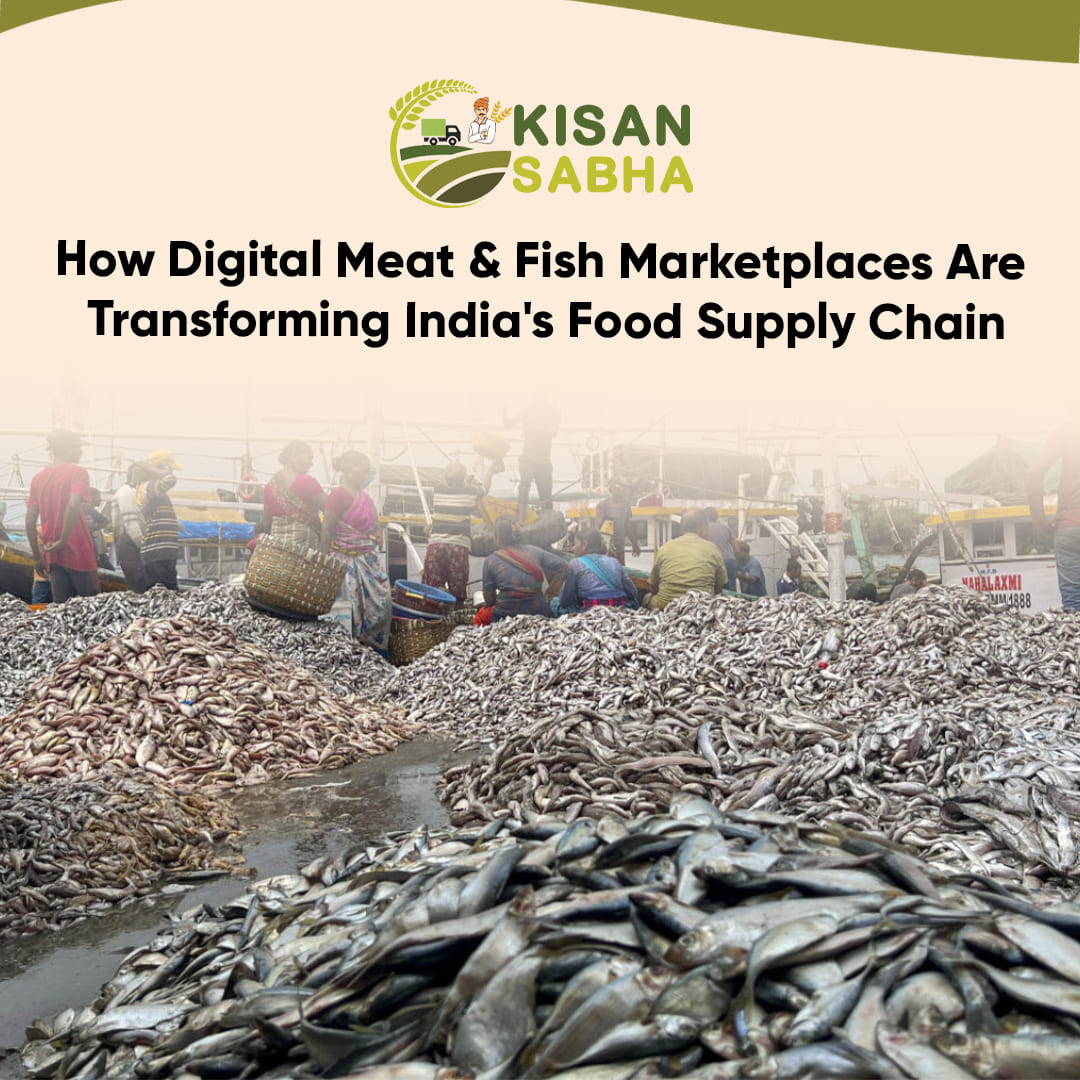
India’s meat and fish industry is changing rapidly. Farmers, livestock producers, fisheries, processors, wholesalers, retailers, and food businesses are increasingly adopting digital platforms to improve the way they buy and sell products. Traditional supply chains often depend on local markets and multiple intermediaries, making it difficult for producers to reach a wider customer base.
Digital meat and fish marketplaces are helping bridge this gap by connecting sellers with business buyers through a single online platform. These marketplaces make it easier to discover new business opportunities, improve market access, and create a more organized supply chain.
In this article, we’ll explore how digital marketplaces are transforming India’s meat and fish supply chain and why they are becoming an important part of the agricultural ecosystem.
What is a Digital Meat & Fish Marketplace?
A digital meat and fish marketplace is an online platform that connects producers with buyers involved in the meat and seafood industry.
Depending on the platform’s services, users may include:
- Fish farmers
- Goat farmers
- Poultry farmers
- Meat processors
- Fish processors
- Wholesalers
- Retailers
- Restaurants
- Hotels
- Food businesses
Instead of relying only on local contacts, businesses can use digital platforms to discover new buyers and suppliers.
Why the Traditional Supply Chain Faces Challenges
India’s livestock and fisheries sectors have strong production capabilities, but many producers still face challenges while selling their products.
Some common issues include:
- Limited access to business buyers
- Dependence on local markets
- Multiple intermediaries
- Transportation planning
- Product quality during transit
- Difficulty reaching new customers
Digital marketplaces help simplify many of these challenges by improving communication and market visibility.
Expanding Market Access
One of the biggest advantages of a digital marketplace is broader market access.
Instead of selling only within nearby locations, producers can connect with buyers from different cities and regions.
This helps businesses:
- Reach more potential buyers
- Discover new business opportunities
- Build long-term commercial relationships
- Reduce dependence on a limited customer base
Better market access supports the growth of both small and large businesses.
Improving Supply Chain Visibility
A successful food supply chain depends on smooth coordination between producers, transporters, processors, and buyers.
Digital platforms improve visibility by helping businesses:
- Discover suppliers
- Connect with buyers
- Share product information
- Improve communication
- Build organized business networks
When every participant has better access to information, supply chain coordination becomes more efficient.
Supporting Quality Throughout the Supply Chain
Product quality remains one of the most important factors in the meat and fish industry.
Although digital marketplaces do not replace production or processing practices, they support businesses that prioritize quality and responsible operations.
Quality begins with:
- Healthy livestock and fish
- Hygienic farming practices
- Responsible handling
- Proper transportation
- Temperature-controlled storage where required
- Timely delivery
Maintaining quality throughout the supply chain helps businesses build trust with buyers.
Helping Businesses Discover New Buyers
Finding reliable buyers is often one of the biggest challenges for producers.
Digital marketplaces make buyer discovery easier by connecting businesses with:
- Meat wholesalers
- Fish wholesalers
- Retail meat shops
- Seafood retailers
- Restaurants
- Hotels
- Food processors
- Institutional buyers
Instead of relying only on traditional networks, businesses can explore wider market opportunities through online platforms.
Supporting a More Organized Supply Chain
As the meat and fish industry grows, better coordination becomes increasingly important.
Digital marketplaces encourage stronger collaboration between:
- Farmers
- Fisheries
- Livestock producers
- Processors
- Transport providers
- Cold storage businesses
- Buyers
This creates a more connected ecosystem where businesses can interact more efficiently.
The Role of Technology in Food Distribution
Technology is becoming an important part of modern food distribution.
Digital platforms help businesses:
- Share product listings
- Connect with business buyers
- Expand market reach
- Improve communication
- Explore new business opportunities
As digital adoption continues to grow, online marketplaces are expected to play an increasingly important role in strengthening India’s agricultural and food supply chains.
Grow Your Business with KisanSabha
Building a successful meat or fish business requires more than quality production. Access to the right market is equally important.
KisanSabha provides a digital marketplace that helps connect fish farmers, poultry farmers, goat farmers, meat processors, wholesalers, retailers, restaurants, and other business buyers across India.
Whether you’re looking to expand your customer base, discover new suppliers, or strengthen your business network, KisanSabha offers a platform designed to support the growing meat and fish ecosystem.
By bringing producers and buyers together, KisanSabha contributes to a more connected, transparent, and efficient agricultural marketplace.
The Future of India’s Meat & Fish Supply Chain
India’s food supply chain is becoming increasingly digital. Businesses that adopt technology and build stronger market connections are better positioned to respond to changing customer needs and market opportunities.
Digital marketplaces are not replacing traditional relationships—they are enhancing them by making it easier for producers and buyers to connect, communicate, and do business more efficiently.
As the industry continues to evolve, organized digital platforms will play an important role in creating a stronger and more accessible meat and fish supply chain across India.