
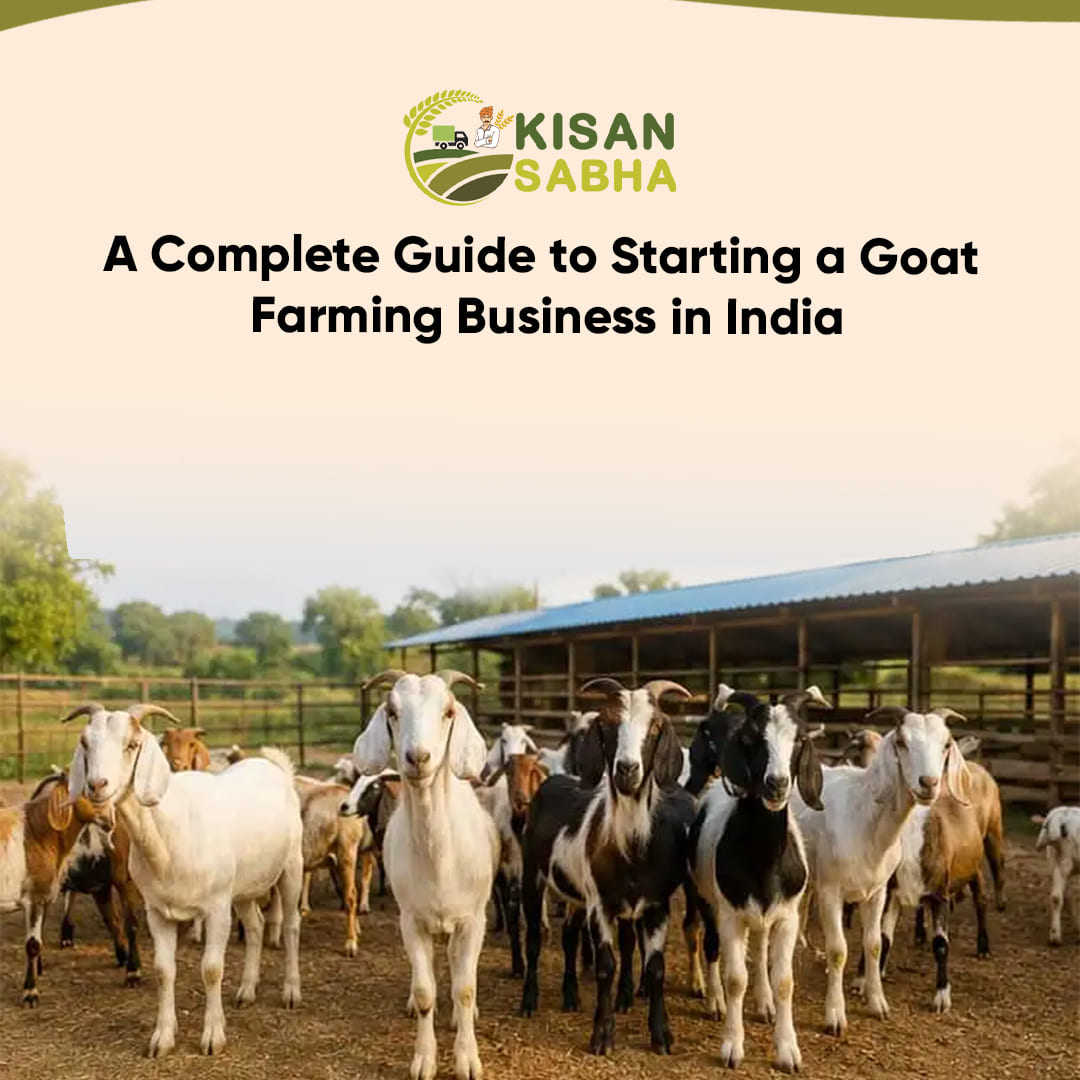
Goat farming has become one of the most promising livestock businesses in India. With growing demand for goat meat (chevon), milk, and breeding animals, many farmers and rural entrepreneurs are exploring goat farming as an additional source of income. It requires careful planning, proper animal care, and access to reliable markets to achieve long-term success.
Whether you are a beginner or planning to expand your livestock business, this guide will walk you through the essential steps to start a goat farming business in India and help you build a sustainable enterprise.
Why Choose Goat Farming?
Goat farming offers several advantages for small and medium-scale farmers. Goats can adapt to different climatic conditions and are raised across many parts of India. Besides meat production, some breeds are also valued for milk and breeding purposes.
Some key benefits include:
- Growing demand for goat meat throughout the year
- Suitable for small and marginal farmers
- Multiple income opportunities from meat, milk, and breeding
- Can be integrated with crop farming
- Government support through various livestock development initiatives
However, profitability depends on selecting the right breed, maintaining animal health, proper nutrition, and finding dependable buyers.
Step-by-Step Guide to Start a Goat Farming Business in India
Step 1: Choose the Right Goat Breed
Selecting the right breed is one of the most important decisions when starting a goat farm.
Your choice should depend on:
- Local climate
- Purpose of farming (meat, milk, or breeding)
- Availability of feed
- Market demand
Some popular goat breeds in India include:
- Boer
- Jamunapari
- Beetal
- Barbari
- Sirohi
- Black Bengal
- Osmanabadi
Before purchasing animals, consult your local veterinary department or livestock expert to identify breeds suitable for your region.
Step 2: Set Up Proper Housing
Healthy goats require a clean, dry, and well-ventilated shelter.
A good goat shed should provide:
- Protection from rain and extreme heat
- Proper ventilation
- Dry flooring
- Easy cleaning and waste management
- Enough space for movement
Keeping the housing clean helps reduce the risk of diseases and improves overall animal welfare.
Step 3: Plan Nutritious Feeding
Balanced nutrition plays a major role in goat growth and productivity.
A healthy diet generally includes:
- Green fodder
- Dry fodder
- Concentrate feed
- Clean drinking water
- Mineral mixture (as advised by experts)
Avoid sudden changes in feed, as they may affect the health of the animals.
Step 4: Maintain Animal Health
Regular health monitoring is essential for a successful goat farming business.
Good management practices include:
- Routine vaccination
- Deworming at recommended intervals
- Clean housing
- Fresh drinking water
- Immediate veterinary consultation if goats show signs of illness
Healthy animals grow better and perform more efficiently.
Step 5: Develop a Breeding Plan
If your goal is to expand your herd, maintaining a planned breeding program is important.
Keep proper records of:
- Breeding dates
- Birth records
- Growth performance
- Vaccination schedules
Good record-keeping helps improve farm management and decision-making over time.
Step 6: Build a Marketing Strategy
Marketing is just as important as production. Many farmers face challenges in finding consistent buyers and receiving fair prices for their livestock.
Before selling your goats, identify potential buyers such as:
- Livestock traders
- Meat processors
- Wholesalers
- Retail meat businesses
- Restaurants
- Hotels
Planning your sales in advance can help improve business opportunities.
Common Challenges in Goat Farming
Every livestock business has its challenges. Understanding them early can help you prepare better.
Some common challenges include:
- Disease outbreaks
- Feed availability
- Rising input costs
- Seasonal market fluctuations
- Transportation issues
- Limited access to organized buyers
Following recommended livestock management practices and planning your marketing strategy can help reduce these risks.
How KisanSabha Helps You Find Better Buyers
Producing healthy goats is only part of building a successful business. Connecting with the right buyers is equally important.
KisanSabha provides a digital marketplace where livestock farmers can connect with wholesalers, retailers, processors, and other business buyers across India. Instead of depending only on local markets, farmers can explore wider business opportunities through an organized platform.
By improving market access, KisanSabha helps strengthen the connection between producers and buyers while supporting a more efficient agricultural supply chain.
Start Your Goat Farming Journey with Confidence
Goat farming offers excellent opportunities for farmers who are willing to invest in proper planning, animal care, and market development. Success depends not only on raising healthy livestock but also on building strong connections with reliable buyers.
As the livestock sector continues to grow in India, digital platforms are helping farmers reach broader markets and improve business opportunities. If you want to connect with wholesalers, retailers, processors, and other verified buyers, KisanSabha provides a trusted marketplace that supports farmers beyond production.
With the right knowledge, consistent management, and better market access, you can build a sustainable and profitable goat farming business.