
Fish farming is becoming one of the fastest-growing agricultural businesses in India. Rising demand for fresh fish, improved farming techniques, and government support have encouraged many farmers and entrepreneurs to explore aquaculture as a profitable livelihood.
According to the Department of Fisheries, Government of India, the country is one of the world’s leading producers of fish, and the fisheries sector plays a significant role in food security, employment, and exports.
If you are planning to start a fish farming business, this step-by-step guide will help you understand the process, from selecting a location to finding buyers for your harvest.
What is Fish Farming?
Fish farming, also known as aquaculture, is the practice of raising fish in controlled water bodies such as ponds, tanks, cages, or biofloc systems. Farmers rear fish until they reach market size and then sell them to wholesalers, retailers, restaurants, processors, or consumers.
Fish farming helps meet the growing demand for seafood while reducing pressure on natural fisheries.
Why is Fish Farming a Good Business in India?
India has abundant water resources, favorable climatic conditions, and a growing market for fish consumption. Government initiatives such as the Pradhan Mantri Matsya Sampada Yojana (PMMSY) also support the development of fisheries and aquaculture through infrastructure development, technology adoption, and financial assistance.
Fish farming can offer multiple opportunities when managed efficiently:
- Growing demand for fresh fish
- Employment generation in rural areas
- Scope for value-added fish products
- Access to domestic and export markets
- Government support for eligible beneficiaries
Tip: Success in fish farming depends on proper planning, water quality management, healthy fish seed, and access to reliable markets.
Step-by-Step Guide to Start a Fish Farming Business in India
Step 1: Choose the Right Location
The success of your fish farm starts with selecting a suitable location.
Before choosing a site, consider:
- Availability of clean water throughout the year
- Good soil quality for pond construction
- Easy road connectivity
- Reliable electricity supply
- Access to nearby fish markets or buyers
Selecting a location close to transportation routes can also help maintain product freshness during delivery.
Step 2: Select the Right Fish Species
Choosing the right fish species depends on your region, water conditions, and market demand.
Some commonly farmed fish species in India include:
- Rohu
- Catla
- Mrigal
- Tilapia
- Pangasius
- Common Carp
Beginners should select species that are suitable for their local climate and have consistent market demand.
Step 3: Prepare the Pond
A well-prepared pond creates a healthy environment for fish growth.
Pond preparation generally includes:
- Removing weeds and unwanted aquatic plants
- Repairing pond embankments
- Ensuring proper water depth
- Improving water quality before stocking
Proper pond preparation helps reduce disease risks and supports better fish survival.
Step 4: Purchase Healthy Fish Seed
Healthy fingerlings are one of the most important factors in successful fish farming.
Always purchase fish seed from reliable hatcheries or certified suppliers.
Look for fingerlings that are:
- Active and healthy
- Similar in size
- Free from visible diseases or injuries
Healthy stocking material improves survival rates and overall production.
Step 5: Manage Water Quality
Fish depend entirely on water for survival and growth.
Regular monitoring of water quality helps maintain a healthy farming environment.
Key factors include:
- Dissolved oxygen
- Water temperature
- pH level
- Clean water supply
Poor water quality can stress fish and increase the risk of disease outbreaks.
Step 6: Feed Fish Properly
Balanced nutrition is essential for healthy growth.
Use quality fish feed recommended for the selected species and growth stage.
Good feeding practices include:
- Feeding at regular intervals
- Avoiding overfeeding
- Monitoring feed consumption
- Storing feed in a dry place
Efficient feed management helps improve growth while reducing unnecessary costs.
Step 7: Monitor Fish Health
Regular observation helps detect problems early.
Watch for signs such as:
- Slow movement
- Loss of appetite
- Unusual swimming behavior
- Visible injuries or infections
Maintaining clean water and following good farm management practices can reduce disease risks.
If disease symptoms appear, consult fisheries experts or local extension officers before using any treatment.
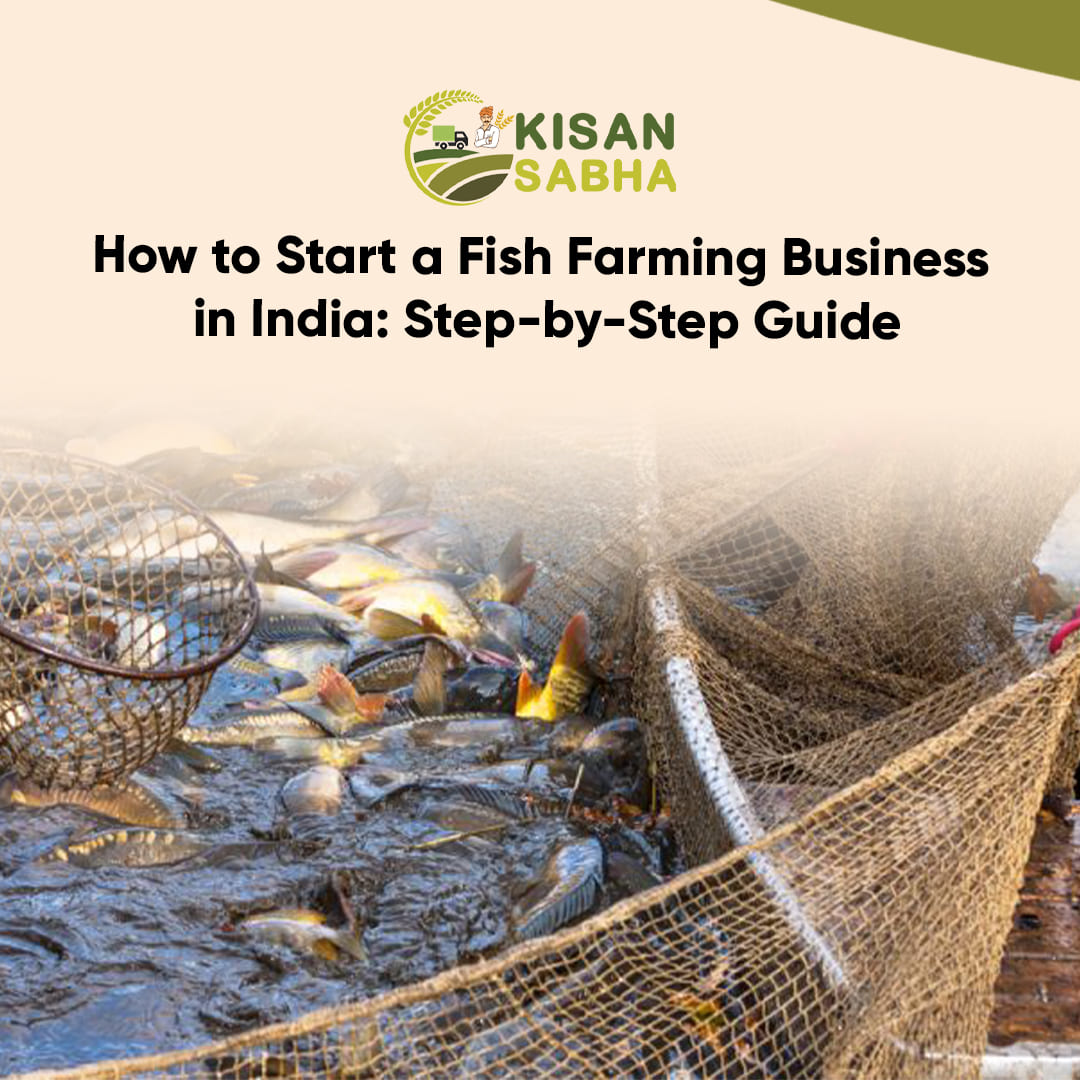
Step 8: Harvest at the Right Time
Fish should be harvested once they reach the desired market size.
Before harvesting:
- Plan transportation in advance
- Arrange buyers
- Use clean harvesting equipment
- Handle fish carefully to maintain quality
Proper harvesting methods help preserve freshness and minimize physical damage.
Step 9: Find Reliable Buyers
Growing healthy fish is only one part of a successful business. Finding dependable buyers is equally important.
Many farmers face challenges such as:
- Limited local markets
- Price fluctuations
- Dependence on middlemen
- Difficulty reaching bulk buyers
Selling through a trusted marketplace can help improve market access and connect farmers with wholesalers, retailers, restaurants, processors, and other business buyers.
Expand Your Market with KisanSabha
Once your fish are ready for sale, KisanSabha can help simplify the marketing process by connecting fish farmers with a wider network of buyers across India.
Through the KisanSabha marketplace, farmers can explore opportunities to connect with:
- Wholesalers
- Retailers
- Fish processors
- Restaurants
- Export-oriented businesses
- Cold storage and logistics partners
This digital approach helps improve market visibility and supports a more organized supply chain from farm to buyer.
Government Support for Fish Farmers
The Pradhan Mantri Matsya Sampada Yojana (PMMSY) aims to strengthen India’s fisheries sector through various development initiatives. Eligible beneficiaries may receive support for infrastructure, modernization, and capacity building, subject to scheme guidelines and applicable government policies.
Farmers should contact their local Fisheries Department for the latest eligibility criteria and application process.
Ready to Start Your Fish Farming Business?
Fish farming offers excellent opportunities for farmers and entrepreneurs who are willing to invest time in proper planning and management. From choosing the right location to maintaining water quality and finding reliable buyers, every step contributes to the success of the business.
As India’s fisheries sector continues to grow, building strong market connections is becoming just as important as producing quality fish. Whether you are starting your first fish farm or expanding your existing business, combining good farming practices with access to a trusted marketplace can help create long-term growth opportunities.
If you’re looking to reach wholesalers, retailers, processors, and other verified business buyers, KisanSabha provides a digital platform designed to connect fish farmers with the broader meat and fish supply chain across India.