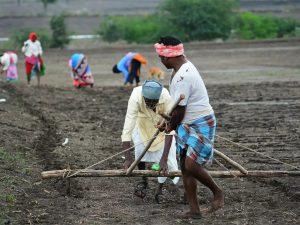

Agriculture is the backbone of India’s economy, employing a large portion of the population and contributing significantly to GDP. However, the traditional agriculture trade system still faces many challenges such as middlemen dependency, price uncertainty, lack of transparency, and inefficient logistics.
Today, digital platforms are solving these problems and transforming how agriculture trade works.
According to industry insights, India’s agricultural value chain is highly fragmented, and digital platforms are helping connect farmers directly to markets, reduce inefficiencies, and improve income opportunities.
What Are Digital Platforms in Agriculture?
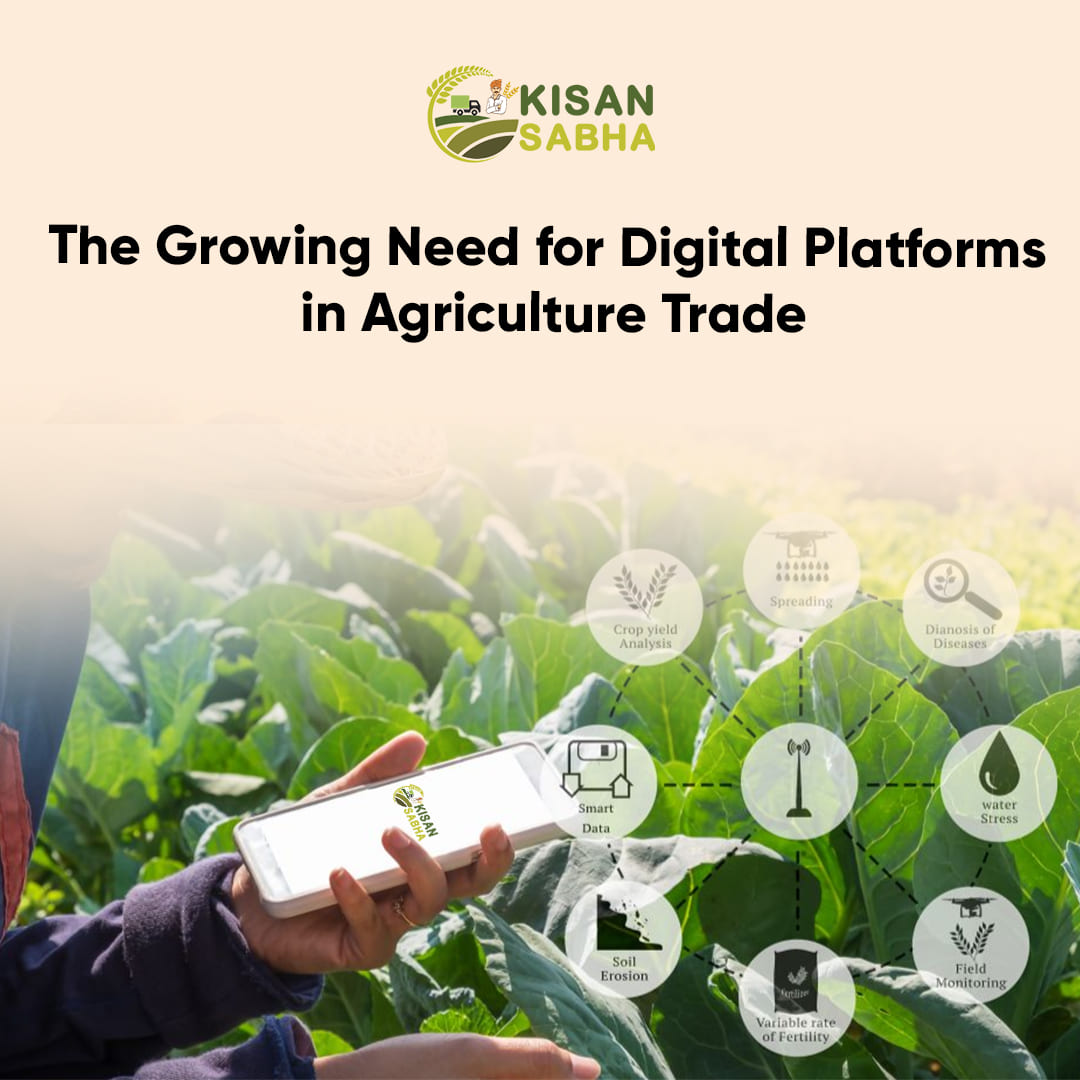
Digital agriculture platforms are online systems (web or mobile-based) that connect farmers, traders, transporters, and buyers in one place.
These platforms use technologies like:
- Mobile apps
- Data analytics
- Artificial Intelligence (AI)
- IoT (Internet of Things)
They help farmers make better decisions, access markets, and manage supply chains efficiently.
Why Agriculture Needs Digital Platforms Today
1. To Solve Market Access Problems
Traditionally, farmers sell their produce in local mandis where prices are often controlled by intermediaries.
Digital platforms:
- Connect farmers directly with buyers
- Increase competition
- Improve price discovery
For example, India’s e-NAM platform has shown that digital trading increases the number of buyers and improves transparency in pricing.
2. To Reduce Dependence on Middlemen
One of the biggest challenges in agriculture trade is the involvement of multiple middlemen.
Digital platforms:
- Allow direct farmer-to-buyer transactions
- Reduce commission costs
- Increase farmer profits
They also enable farmers to list their crops and negotiate prices directly.
3. To Improve Price Transparency
Farmers often don’t know the real market price of their produce.
Digital solutions provide:
- Real-time mandi prices
- Demand trends
- Price forecasts
This helps farmers sell at the right time and at better prices.
4. To Strengthen Supply Chain and Logistics
Agriculture supply chains in India face issues like delays, wastage, and poor coordination.
Digital platforms help:
- Optimize logistics and transportation
- Reduce post-harvest losses
- Improve delivery timelines
Efficient supply chain management ensures that produce reaches markets faster and fresher.
5. To Provide Financial and Credit Access
Many farmers struggle to get loans due to lack of proper records.
Digital platforms:
- Maintain farmer data and transaction history
- Enable faster loan approvals
- Connect farmers with financial institutions
Government-backed digital systems like AgriStack are improving financial inclusion in agriculture.
Also Read:- Government May Continue Covid-Like Fertiliser Subsidy to Shield Farmers from Price Rise
6. To Enable Data-Driven Farming Decisions
Modern farming requires data for better productivity.
Digital platforms provide:
- Weather forecasts
- Soil health insights
- Crop advisory
These insights help farmers increase yield and reduce risks.
7. To Bridge the Digital Gap in Rural Areas
Agriculture has traditionally been one of the least digitized sectors.
However, studies show that digital platforms:
- Improve digital literacy
- Help farmers adopt modern practices
- Create a connected agricultural ecosystem
This is especially important for small and marginal farmers.
8. To Support Government Initiatives and Digital India
Government initiatives are actively promoting digital agriculture.
Examples include:
- e-NAM (National Agriculture Market)
- AgriStack
- AI-based advisory platforms
These initiatives aim to make agriculture more transparent, efficient, and technology-driven.
9. To Reduce Agricultural Losses
Poor storage, transportation, and lack of planning lead to high post-harvest losses.
Digital platforms:
- Improve coordination
- Enable better storage planning
- Connect farmers with logistics providers
This reduces waste and increases profitability.
10. To Build a Future-Ready Agriculture Ecosystem
With rising population and demand for food, agriculture needs to become more efficient.
Digital platforms are helping:
- Scale operations
- Integrate supply chains
- Create a sustainable ecosystem
Experts believe that adopting digital tools is no longer optional – it is essential for staying competitive.
Challenges Without Digital Platforms
If agriculture continues with traditional systems:
- Farmers will remain dependent on middlemen
- Price transparency will remain low
- Supply chain inefficiencies will continue
- Income growth will remain limited
This clearly shows why digital transformation is necessary.
How KisanSabha is Contributing to Digital Agriculture Trade
In this fast-changing ecosystem, platforms like KisanSabha are playing an important role.
KisanSabha helps:
- Connect farmers, traders, and transporters
- Simplify communication in agriculture trade
- Improve access to logistics and market opportunities
- Create a more transparent and efficient ecosystem
By reducing the gap between stakeholders, KisanSabha supports a faster, smarter, and more reliable agriculture supply chain.
Read More:- Future of Farming: Top 5 Sustainable Agriculture Trends
The Future of Agriculture Trade is Digital
The need for digital platforms in agriculture trade is growing rapidly.
They are not just improving efficiency – they are transforming the entire agriculture ecosystem by:
- Empowering farmers
- Increasing transparency
- Reducing losses
- Improving income opportunities
As agriculture moves towards a digital future, adopting platforms like KisanSabha can help farmers and businesses stay ahead in a competitive market.
Frequently Asked Questions
Digital platforms improve market access, price transparency, and supply chain efficiency for farmers.
They provide real-time data, direct buyer connections, and financial access.
The future is digital, data-driven, and connected through online platforms.